Без рубрики

what is international logistics

What is International Logistics? what is international logistics international logistics refers to the management of the flow of goods, services, and information across international borders. it involves planning, coordinating, and implementing complex operations including transportation, warehousing, customs clearance, documentation, and compliance with international regulations. in today’s global economy, international logistics is vital for manufacturers, exporters, importers, and retailers. beyond the physical movement of goods, international logistics also requires a deep understanding of diverse cultures, time zones, and legal frameworks. coordinating shipments across continents means navigating language barriers, local holidays, and country-specific import regulations. successful international logistics operations depend not only on infrastructure and planning, but also on strategic communication and reliable partnerships that bridge the gaps between global markets. key components of international logistics 1. transportation management the first and most essential part of international logistics is transportation. this includes multiple modes such as: air freight: fastest but most expensive, suitable for high-value or urgent goods. ocean freight: cost-effective and suitable for bulk shipments, but slower than air. road and rail: used for inland movement after goods are imported or exported through ports. multimodal transport: a combination of various modes to optimize efficiency and cost. 2. warehousing and distribution international supply chains often require temporary storage of goods at different stages. warehousing includes: bonded warehouses: for goods awaiting customs clearance. fulfillment centers: used by ecommerce businesses for international orders. temperature-controlled storage: for perishable or sensitive items like pharmaceuticals and food products. 3. customs clearance and compliance customs procedures are a critical component of international logistics. they ensure that goods comply with legal and regulatory requirements of both the exporting and importing countries. important aspects include: hs code classification duties and taxes import/export licenses rules of origin trade agreements (e.g., nafta, eu ftas) 4. documentation in international shipping proper documentation is essential for smooth and legal international trade. common documents include: bill of lading (b/l) commercial invoice packing list certificate of origin letter of credit (l/c) insurance certificate missing or inaccurate documents can lead to delays, penalties, or seizure of goods. challenges in international logistics despite advancements, international logistics faces several obstacles: geopolitical instability : conflicts, sanctions, and diplomatic tensions can disrupt supply chains. trade barriers: tariffs and quotas can impact cost and availability. language and cultural differences : miscommunication may cause documentation or operational errors. pandemics and natural disasters : covid-19 revealed vulnerabilities in global logistics networks. sustainability regulations : pressure to reduce carbon emissions is reshaping transportation and packaging methods. strategies for efficient international logistics to overcome challenges and maintain efficiency, businesses should: partner with experienced freight forwarders use incoterms (like fob, cif) to clarify responsibilities invest in end-to-end visibility tools diversify suppliers and shipping routes implement risk management plans these strategies can significantly reduce costs, improve customer satisfaction, and ensure business continuity. developing an effective international logistics strategy requires more than operational choices—it demands a proactive, forward-thinking mindset. by analyzing past disruptions and anticipating potential risks, companies can create flexible frameworks that adapt quickly to changing global conditions. incorporating advanced analytics, scenario planning, and continuous supplier evaluation ensures that logistics operations remain stable, even during geopolitical or economic uncertainty. final thoughts on managing international logistics international logistics is more than a functional necessity—it’s a strategic pillar that shapes how companies compete and grow in a globalized world. from navigating cross-border regulations to building resilient supply chains, success depends on smart planning, strong partnerships, and continuous adaptation. businesses that invest in efficient, flexible logistics operations are better equipped to respond to market demands, manage risks, and thrive in the evolving landscape of global trade.   Become Our Partner For fast and dependable sourcing of drilling equipment spare parts and oil & gas industry supplies, reach out to our experts today. We are dedicated to delivering customized solutions that perfectly meet your needs. Contact Us

what is international logistics Read Post »
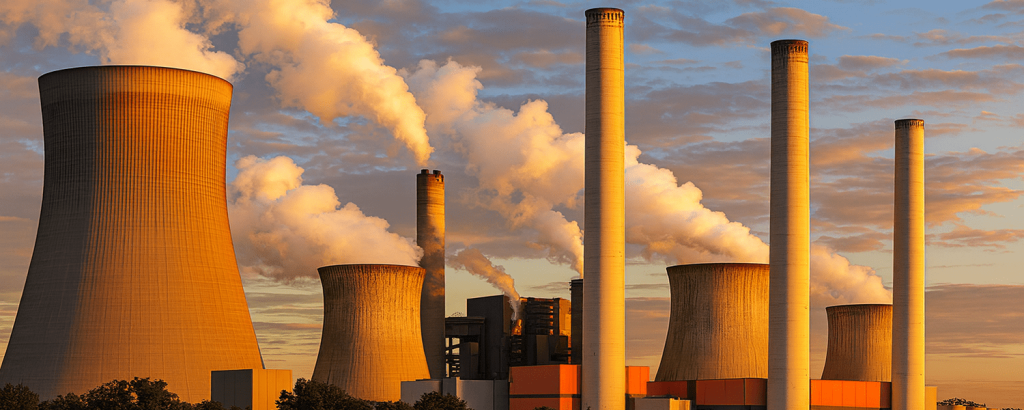
Steel Industry

Steel industry the steel industry: a cornerstone of global manufacturing the steel industry stands as a vital pillar of worldwide manufacturing, underpinning key sectors such as construction, transportation, automotive, industrial machinery, and more. it encompasses the entire process of producing steel and steel products from primary raw materials like iron ore and coal. what is the steel industry? the steel industry includes all activities involved in transforming raw iron ore into steel. this involves processes such as extraction, refining in various types of furnaces, casting, rolling, and finishing operations to produce steel products suitable for a wide range of applications. key functions and significance of the steel industry 1. steel productionsteel production involves converting iron ore into steel through methods like blast furnaces or electric arc furnaces. steel, an alloy of iron and carbon, is prized for its exceptional strength and mechanical properties and serves as a fundamental raw material for numerous industries. 2. construction sectorsteel plays a crucial role in construction, being a primary material in bridges, buildings, roads, and infrastructure. its durability, strength, and flexibility make it indispensable in creating safe and long-lasting structures. 3. automotive industrythe automotive sector relies heavily on steel for manufacturing vehicle bodies, chassis, and internal parts. steel’s combination of strength and ductility enhances both safety and performance in vehicles. 4. machinery and equipment manufacturingsteel supplies the foundation for producing industrial machines, manufacturing tools, and heavy equipment. its quality and precision make it essential for building durable and reliable components. 5. pipe and profile productionsteel is also vital in manufacturing pipes and structural profiles used across various industries, including oil and gas, water supply, and more. steel production processes 1. iron ore extraction and processingiron ore, the primary raw material for steel, is mined and then transported to melting facilities. 2. blast furnacethis traditional method converts iron ore into molten iron by removing impurities before refining it into steel. 3. electric arc furnace (eaf)an eco-friendly technique that melts recycled steel scrap, reducing reliance on raw materials and energy consumption. 4. rollingmolten steel is shaped into sheets, bars, pipes, beams, and other forms through rolling. 5. casting and formingsteel is cast and formed into specific shapes for a variety of industrial applications. economic importance of the steel industry the steel industry is one of the world’s largest and most impactful economic sectors. it supplies critical materials for infrastructure development, transportation, and industrial machinery, driving growth across numerous fields. additionally, it generates significant employment opportunities and contributes substantially to national gdp in many countries. a strong steel industry serves as the backbone of industrial progress, directly supporting a country’s economic development and technological advancement.   Become Our Partner For fast and dependable sourcing of drilling equipment spare parts and oil & gas industry supplies, reach out to our experts today. We are dedicated to delivering customized solutions that perfectly meet your needs. Contact Us

Steel Industry Read Post »

Power Plants Industies​

Power Plants Industries power plant industry: converting energy into electricity the power plant industry encompasses a range of activities and processes that convert energy from various sources into electricity. it forms a crucial pillar of energy supply, supporting both industrial and everyday energy needs worldwide. overview of power plant industries: power plants generate and supply electricity using diverse energy sources—including fossil fuels, nuclear power, and renewables like wind and solar—and deliver this electricity to the power grid. types of power plants: 1. thermal power plants (fossil fuel-based) these plants burn fossil fuels such as coal, oil, or natural gas to produce thermal energy, which generates steam. the steam drives turbines that convert mechanical energy into electricity. advantages: fuel availability, relatively low production costs under certain conditions disadvantages: greenhouse gas emissions, air pollution, reliance on limited fuel reserves 2. nuclear power plants nuclear energy is produced by splitting atoms (usually uranium) in a fission reaction. the released energy heats water into steam, which powers turbines to generate electricity. advantages: high efficiency, no air pollution during operation disadvantages: high construction and maintenance costs, radioactive waste, safety concerns 3. wind power plants wind turbines convert the kinetic energy of wind into electrical energy by spinning blades connected to generators. advantages: clean, renewable, and reduces greenhouse gas emissions disadvantages: dependent on wind conditions, high upfront installation costs 4. solar power plants solar panels convert sunlight into electricity via photovoltaic or thermal processes. advantages: renewable and pollution-free energy source disadvantages: dependent on sunlight availability, significant initial investment 5. hydroelectric power plants these plants harness the potential energy of water stored at height (e.g., in dams) to generate electricity by turning turbines as water flows down. advantages: clean, reliable, and renewable disadvantages: dependent on water resources, potential environmental impacts from dam construction 6. biomass power plants organic materials such as wood, agricultural waste, or other biological residues are burned to produce thermal energy, which is then converted into electricity. advantages: renewable energy source, helps reduce waste disadvantages: requires a continuous supply of biomass, potential pollutant emissions importance of the power plant industry power plants are essential for economic growth and social development, providing the energy foundation for modern life. the sector is evolving toward greater use of renewable energy, improved efficiency, and reduced environmental impacts to meet future energy demands sustainably.   Become Our Partner For fast and dependable sourcing of drilling equipment spare parts and oil & gas industry supplies, reach out to our experts today. We are dedicated to delivering customized solutions that perfectly meet your needs. Contact Us

Power Plants Industies​ Read Post »

Essential Spare Parts Driving The Oil & Gas Industry

Essential Spare Parts Driving The Oil & Gas Industry essential components in the oil & gas sector, whose malfunction may result in multi-million dollar lossesthe significance of spare parts in the oil & gas sectorthe oil and gas sector, being a cornerstone of the global economy, relies heavily on sophisticated machinery and equipment. even a minor malfunction in a single component can bring the entire production process to a standstill, resulting in losses worth millions of dollars. additionally, these facilities usually operate around the clock, and just one hour of downtime can cause substantial financial setbacks. for this reason, ensuring the availability and proper maintenance of critical spare parts for oil and gas machinery is of utmost importance. in this article, we highlight five key components whose failure could lead to a complete halt in production and significant economic losses. 1) industrial pumps: the core of oil and gas transport systemsthe function of pumps in the oil & gas sector pumps play a crucial role in moving crude oil, natural gas, and other process fluids through pipelines. if pumps fail to operate correctly, the flow of fluids stops, bringing production to a standstill. frequent pump problems leaks caused by worn mechanical sealsbearing deterioration from continuous pressureimpeller damage due to corrosion in harsh chemical environmentsthe value of genuine spare parts industrial pumpsrelying on low-quality spare parts for pump maintenance raises the likelihood of breakdowns and production delays. using authentic spare parts for industrial pumps enhances equipment reliability and helps minimize unexpected expenses. 2) compressors: the core of gas operationswhy compressors are essential in the oil and gas sector, compressors play a crucial role in compressing gases, a necessary step for transporting gas through extensive pipelines or supplying it to subsequent processes. a malfunctioning compressor can bring an entire processing unit to a halt. key components of compressorsball and roller bearingsinternal rotor bladessealing systems and gasketsimpact of compressor failuresbeyond stopping production, compressor malfunctions can increase pressure and raise the risk of explosions. such failures not only result in financial losses but also present serious safety hazards. ensuring the timely availability of genuine compressor spare parts is an investment in both operational efficiency and safety. 3) industrial valves: essential for safety and flow managementthe function of valves in oil and gas pipelines industrial valves play a vital role in regulating the flow of oil and gas. a malfunctioning valve can lead to significant leaks, waste of valuable resources, and even large-scale fires. typical valve spare parts sealing packings and o-ringsdiscs and seats for controlling flowactuators for automatic operationthe necessity of prompt spare part supply in drilling and refining operations, spare parts for equipment, particularly valves, must always be accessible. even the absence of a small component, such as an o-ring, can stop the entire production process. gas turbines4) gas turbines: the powerhouse of refinerieswhy turbines are crucial gas turbines are essential for generating power and electricity within refineries. without them, production operations effectively come to a standstill. key spare parts for turbinesturbine blades, which endure extremely high temperaturesintake filters to block particulate contaminationlubrication systems to reduce friction and wearimpact of turbine failures each hour of downtime for a gas turbine can lead to losses of hundreds of thousands of dollars. hence, preventive maintenance and timely availability of turbine spare parts are essential requirements. 5) heat exchangers: maintaining the quality of final productsthe function of heat exchangers heat exchangers play a critical role in transferring heat during refinery processes. without their proper operation, the quality of the final product can be severely affected, and production may even come to a halt. essential spare parts for heat exchangerstubes and tube sheetsgaskets to prevent leakageheat exchange platesthe importance of preventive maintenance failure to replace tubes and gaskets on time can lead to leaks and decreased efficiency. this not only results in financial losses but also poses significant safety hazards. heat exchangerconclusiona failure in any of these five essential components — pumps, compressors, industrial valves, gas turbines, or heat exchangers — can halt operations and cause losses worth millions of dollars in the oil and gas industry. to prevent such setbacks, it is crucial to ensure prompt availability of high-quality spare parts and work with dependable suppliers. this approach strengthens productivity, avoids unexpected expenses, and enhances overall safety. Become Our Partner For fast and dependable sourcing of drilling equipment spare parts and oil & gas industry supplies, reach out to our experts today. We are dedicated to delivering customized solutions that perfectly meet your needs. Contact Us

Essential Spare Parts Driving The Oil & Gas Industry Read Post »

Power Plant Industries

Power Plant Industries power plant industry: converting energy into electricity the power plant industry encompasses a range of activities and processes that convert energy from various sources into electricity. it forms a crucial pillar of energy supply, supporting both industrial and everyday energy needs worldwide. overview of power plant industries: power plants generate and supply electricity using diverse energy sources—including fossil fuels, nuclear power, and renewables like wind and solar—and deliver this electricity to the power grid. types of power plants: 1. thermal power plants (fossil fuel-based) these plants burn fossil fuels such as coal, oil, or natural gas to produce thermal energy, which generates steam. the steam drives turbines that convert mechanical energy into electricity. advantages: fuel availability, relatively low production costs under certain conditions disadvantages: greenhouse gas emissions, air pollution, reliance on limited fuel reserves 2. nuclear power plants nuclear energy is produced by splitting atoms (usually uranium) in a fission reaction. the released energy heats water into steam, which powers turbines to generate electricity. advantages: high efficiency, no air pollution during operation disadvantages: high construction and maintenance costs, radioactive waste, safety concerns 3. wind power plants wind turbines convert the kinetic energy of wind into electrical energy by spinning blades connected to generators. advantages: clean, renewable, and reduces greenhouse gas emissions disadvantages: dependent on wind conditions, high upfront installation costs 4. solar power plants solar panels convert sunlight into electricity via photovoltaic or thermal processes. advantages: renewable and pollution-free energy source disadvantages: dependent on sunlight availability, significant initial investment 5. hydroelectric power plants these plants harness the potential energy of water stored at height (e.g., in dams) to generate electricity by turning turbines as water flows down. advantages: clean, reliable, and renewable disadvantages: dependent on water resources, potential environmental impacts from dam construction 6. biomass power plants organic materials such as wood, agricultural waste, or other biological residues are burned to produce thermal energy, which is then converted into electricity. advantages: renewable energy source, helps reduce waste disadvantages: requires a continuous supply of biomass, potential pollutant emissions importance of the power plant industry power plants are essential for economic growth and social development, providing the energy foundation for modern life. the sector is evolving toward greater use of renewable energy, improved efficiency, and reduced environmental impacts to meet future energy demands sustainably.    

Power Plant Industries Read Post »

Scroll to Top